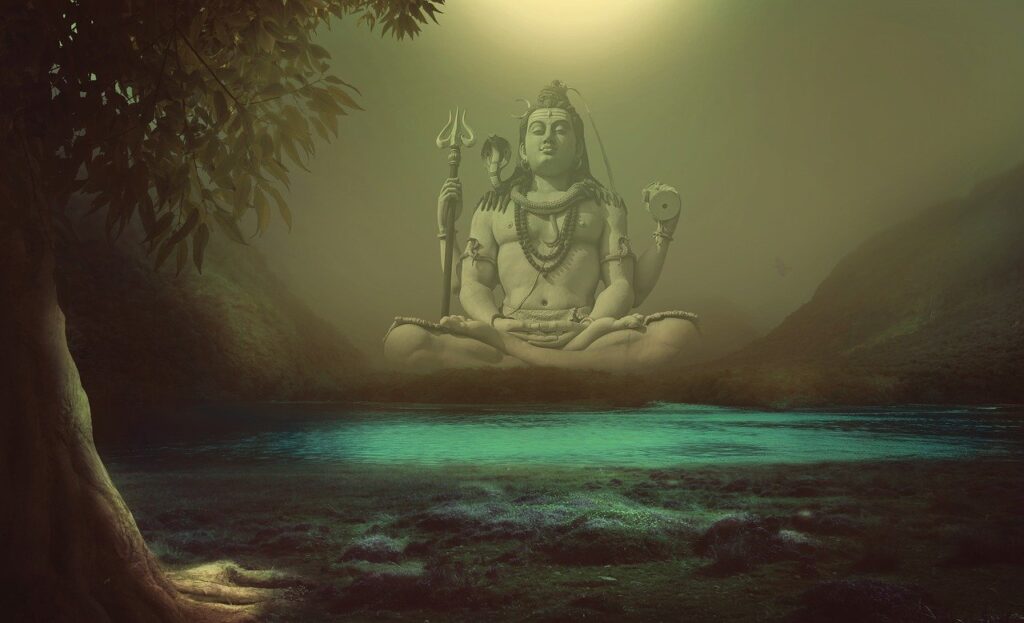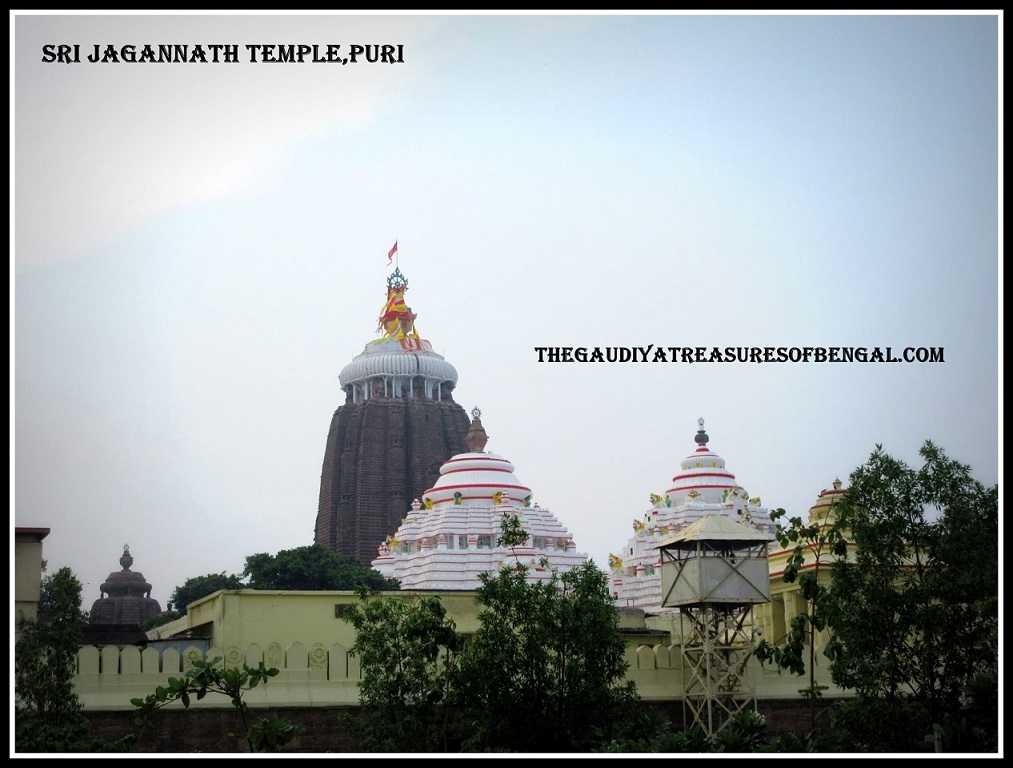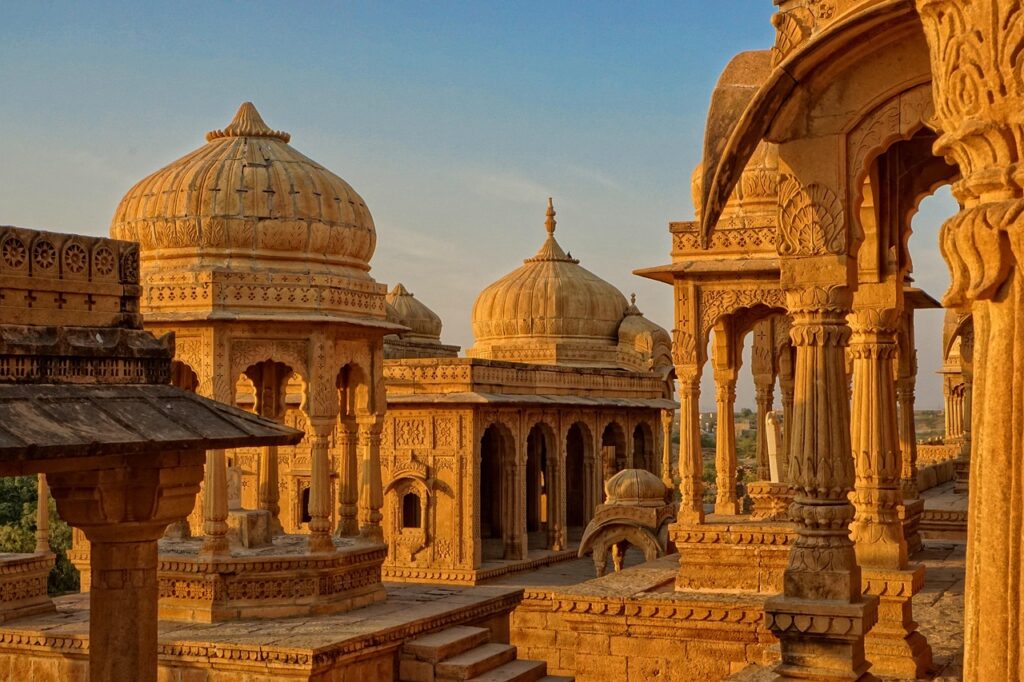
India, known for its spiritual serenity, is considered to be saturated with the essence of gods and goddesses, their enduring imprints, and an ever-present sense of divinity in the surrounding environment. The abodes of these deities, commonly known as temples, represent the magnificence of the ancient and culturally rich Hindu Sanatan Dharma. They are considered to be sacred places where devotees can connect with the divine and seek blessings from the deities. The architecture and design of temples in India vary widely depending on the region and the era in which they were built. Temples in India also serve as important centers of social and cultural activity. They are often the site of religious festivals and ceremonies, as well as community events like weddings and cultural performances. In many cases, the temple serves as the focal point of the community, bringing together people from all walks of life to celebrate and worship together. Overall, temples in India are a testament to the country’s rich spiritual and cultural heritage. They are not just places of worship, but also symbols of the enduring traditions and values that have shaped Indian society for millennia.